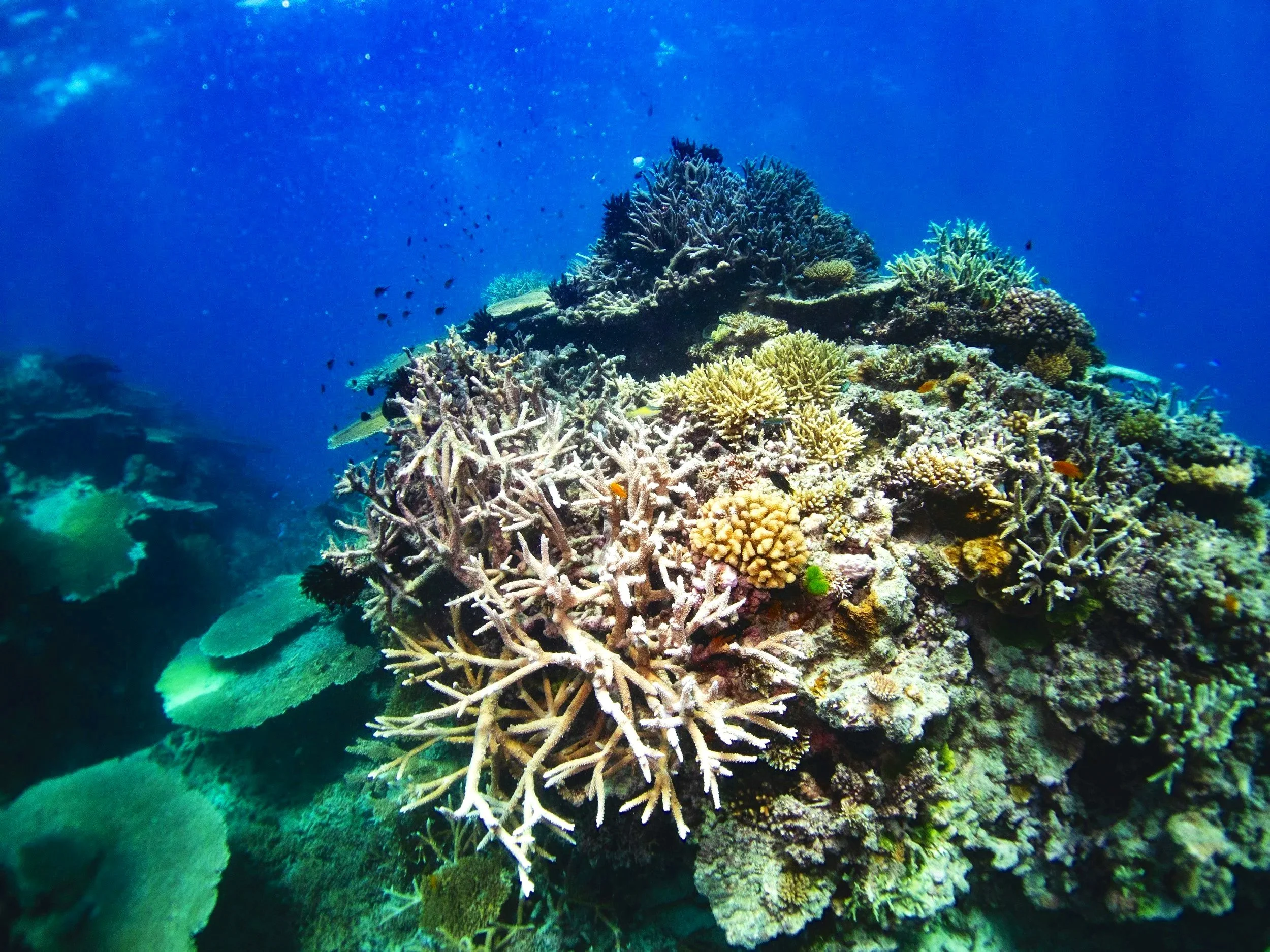
New research shared by the Climate Risk Lab attributes 99% of coral bleaching to human-caused climate change, revealing the extraordinary impact of greenhouse gas emissions on the world’s coral reefs. The findings provide new evidence of the human contribution to ecological damage and underscore the urgency of protecting marine ecosystems from rising ocean temperatures.
This work was covered by





The human fingerprint on coral bleaching
Coral reefs are among the most diverse and valuable ecosystems on Earth, supporting extraordinary marine biodiversity and providing food, livelihoods, and coastal protection for millions of people. Yet these ecosystems are increasingly threatened by rising ocean temperatures. When exposed to excessive heat, corals can expel the microscopic algae that provide much of their energy, leaving them bleached and vulnerable to disease and death. A September 2026 research preprint shared by the Climate Risk Lab examines the role of human-caused climate change in this growing crisis, attributing 99% of coral bleaching to human influence. By applying climate attribution science, the researchers investigate how greenhouse gas emissions have altered ocean temperatures and contributed to the conditions responsible for coral bleaching. Their work provides a powerful example of how scientists can move beyond documenting environmental change to identifying the human activities driving it.
Understanding responsibility and protecting reefs
The findings have important implications for coral reef conservation and climate policy. While local efforts to reduce pollution, overfishing, and other environmental pressures remain essential, they cannot eliminate the threat posed by a warming ocean. Understanding the contribution of human-caused climate change helps clarify why reducing greenhouse gas emissions is fundamental to protecting coral ecosystems. It also strengthens the scientific foundation for understanding responsibility for climate-related environmental damage. As attribution research becomes increasingly sophisticated, scientists can better connect changes in the natural world to the emissions that caused them, providing evidence that can inform conservation priorities, international climate negotiations, and discussions about loss and damage. For coral reefs, this research reinforces an urgent message: their future depends not only on protecting the ecosystems we have today, but also on limiting the warming that threatens their survival.